
Part 1: Television, calculators and computers
When television, calculators, and computers were introduced, doomsayers and critics predicted they would destroy social fabric, ruin intellectual capabilities, and cause massive unemployment, often framing the technologies as addictive, lazy, or intellectually lazy alternatives to human effort.
Here is what the critics said about each technology:
Television
- The “Lazy” Medium: In 1939, the New York Times suggested TV would fail because the average American family was too busy to sit around watching it.
- A Temporary Fad: Film mogul Darryl F. Zanuck predicted in 1946 that “Television won’t be able to hold on to any market it captures after the first six months. People will soon get tired of staring at a plywood box every night”.
- Anti-Social & Addictive: Critics in the 1950s worried it would stifle family interaction, reduce time spent outdoors, and lower imagination in children. It was described as “addictive as heroin” and “stifling, dull, lazy”.
- “No Good Will Come of It”: Editor of the Manchester Guardian, C.P. Scott, dismissed it because the word was “half Greek and half Latin”.
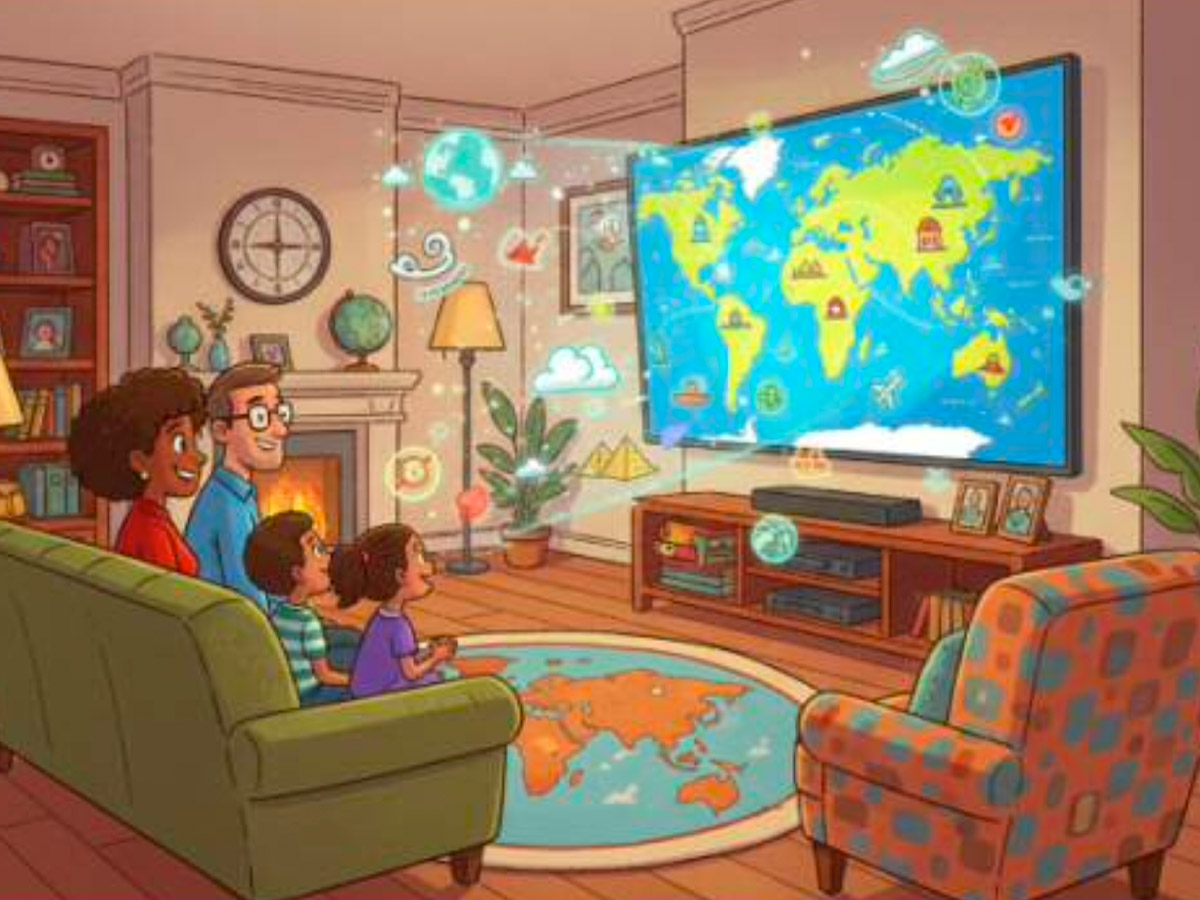
Television has assisted cartography by introducing audiences to maps and geographic concepts through news, documentaries, and educational programs.
Calculators
- Killing Mental Skills: In the 1960s and 1980s, teachers and critics claimed calculators would create a generation unable to do basic math without electronic assistance.
- Protests and Resistance: Math teachers protested their use in classrooms, specifically arguing that constant calculator use would destroy the “foundations of maths learning”.
- “The Button’s Nothin’ ‘Til the Brain’s Trained”: Educators feared that using calculators before mastering manual arithmetic would “cripple” a student’s fundamental abilities.
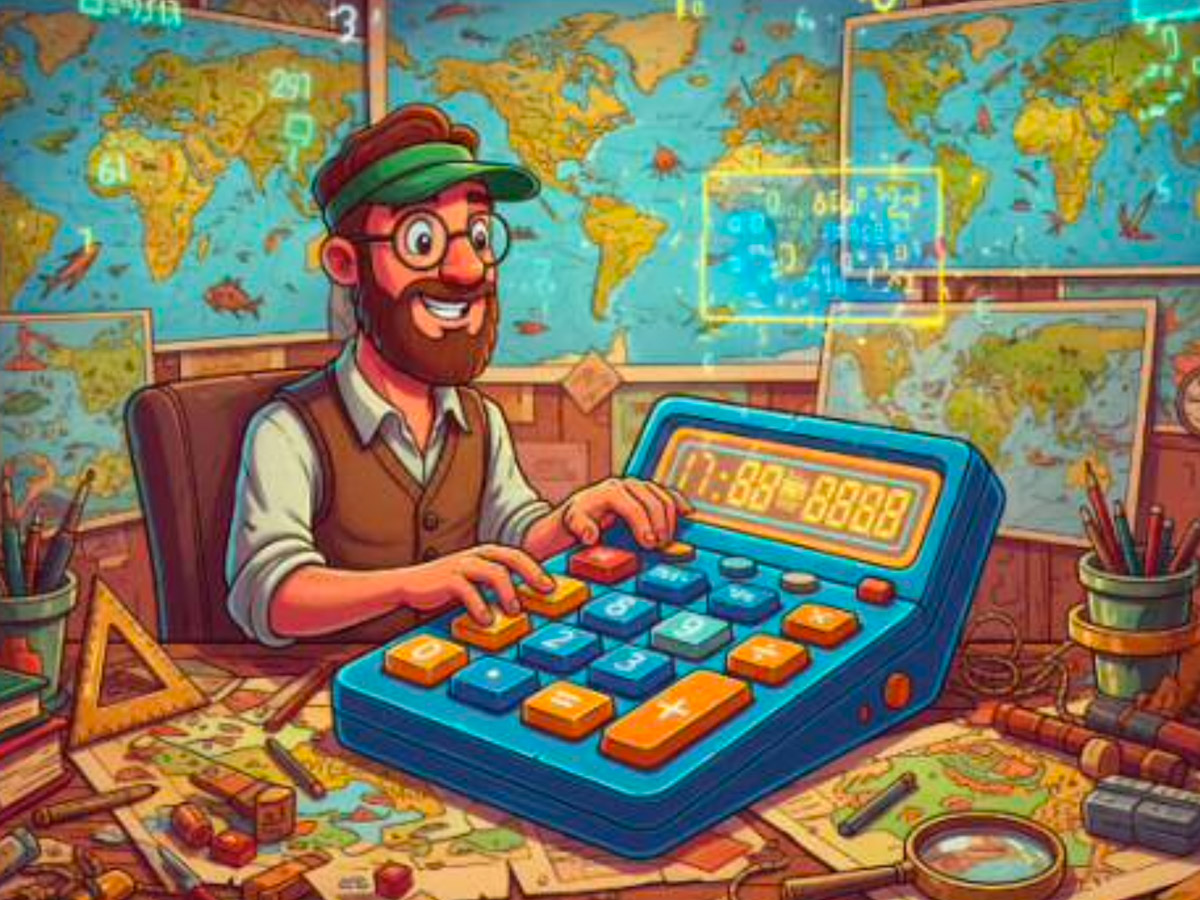
Calculators have assisted cartography by speeding up precise measurements and calculations needed for mapping.
Computers
- Mass Unemployment: By the 1950s and 1960s, the introduction of computers led to widespread anxiety that technology would make human labor obsolete.
- Surpassing Human Intelligence: Early experts and public commentary questioned if computers would “outwit humans” in tasks like art, decision-making, and music.
- Total Societal Collapse: In 1973, a famous computer model predicted that global industrialization would lead to the collapse of civilization by 2040.
- Information Overload & Dependence: A 1974 interview (by Arthur C. Clarke) noted fears of becoming a “computer-dependent society”.
Computers have assisted cartography by enabling fast digital mapping, data analysis, and the creation of highly accurate, detailed maps.

Common Themes
The “doomsayer” narrative often involved the fear that these machines were replacing “thinking” with “tapping,” reducing the necessity for human expertise and leading to a loss of human connection.
The “visionary” narrative: Television, calculators, and computers will expand society’s capabilities in different but complementary ways. Television will broaden access to information and culture, connecting people to news, education, and global events. Calculators will make everyday numerical tasks faster and more accurate, supporting fields like science, engineering, and finance. Computers will transform nearly every aspect of life by enabling rapid communication, data processing, automation, and innovation across industries, making complex tasks more efficient and accessible.
Created by David Fraser
Wednesday, April 8, 2026